
Leah P. Macfadyen, PhD
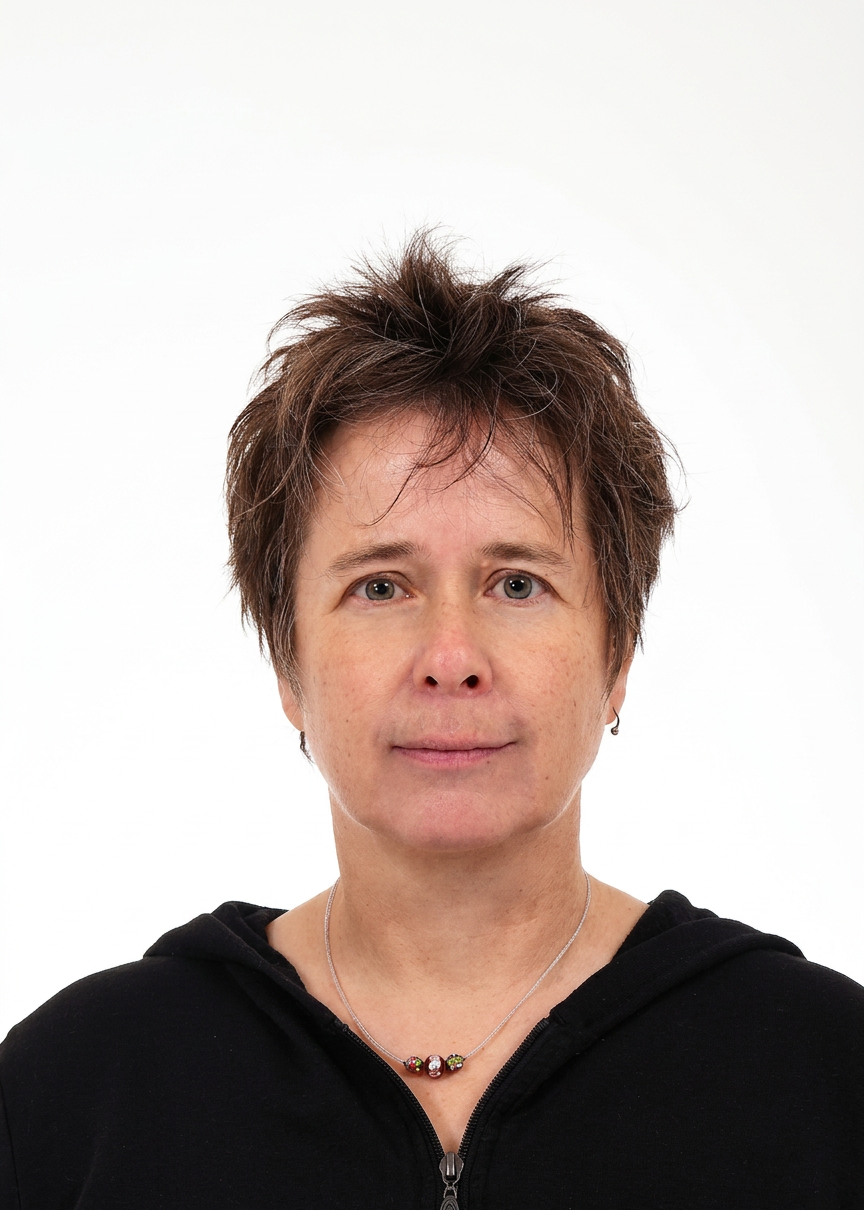
I am an Associate Professor of Teaching in the Department of Language and Literacy Education and the Master of Educational Technology (MET) program (UBC Faculty of Education). A broad-ranging interdisciplinarian, I have graduate training that spans the experimental sciences as well as the humanities and social sciences. My early research in online learning drew on my interest in culture and intercultural communication, and was shaped by the realities of increasingly diverse learner communities in digital environments.
Over the past fifteen years, the growth of data captured by learning technologies, and the emergence of the field of learning analytics, have inspired me to bring analytic and scientific approaches to the study of virtual learning. My research examines how evidence from learning environments can be interpreted responsibly and used to improve learning design, feedback practices, and instructional decision-making. I have published qualitative, quantitative, and mixed-methods research in peer-reviewed venues across education, learning analytics, and digital learning, and I often works at the intersection of research and practice, using real course contexts to explore what supports (and constrains) meaningful change.
In recent years, my work has expanded to include AI literacy and the responsible integration of generative AI in higher education and professional learning. I am particularly interested in how AI tools reshape the everyday practices of learners and educators: how people make judgments, verify information, navigate uncertainty, and take responsibility when AI systems are involved in learning and assessed work. Alongside this, I am committed to critical conversations about data and AI literacy, equity, and the ethical and social implications of data-driven and AI-mediated education.
In addition, and motivated by my own educational experiences at Lester B. Pearson College of the Pacific, I have been engaged in designing and teaching courses (both online and in the classroom) that integrate rigorous and critical disciplinary study with transformative global education – education that may encompasses themes such as
development education, human rights education, education for sustainability, education for peace and conflict prevention and intercultural education; being the global dimension of education for citizenship.
(Maastricht Congress on Global Education)

